THE PIGEON DEPT.
So you’ve chosen the carrier pigeon route. Bold.
There is one important thing you should know: pigeons don’t actually fly wherever you tell them to. They fly home.
Pigeons have an unusually strong homing instinct, which historically has made them useful messengers. Ancient Greeks reportedly used pigeons to communicate the results of the Olympic Games, while armies later used them to carry messages across battlefields when when radio communication was unavailable or compromised.
So if you’d like your message to reach me, you’ll need one of my homing pigeons. Take your pick below!
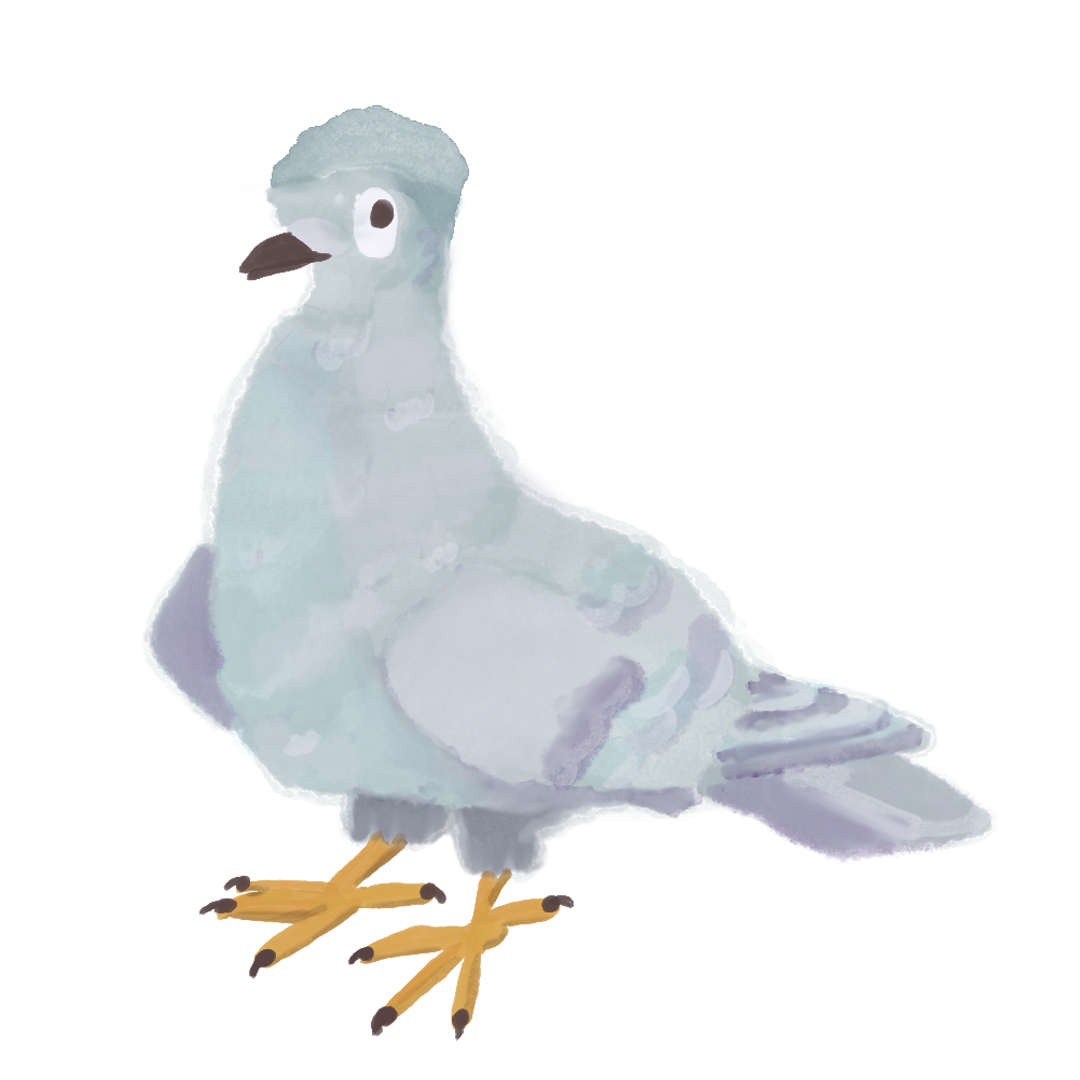
MACY PIGEON No. 001
Name: Harry
Specialty: General correspondence
Flight style: Reliable, direct
Note: Harry has an excellent sense of direction and a drive for getting the job done.
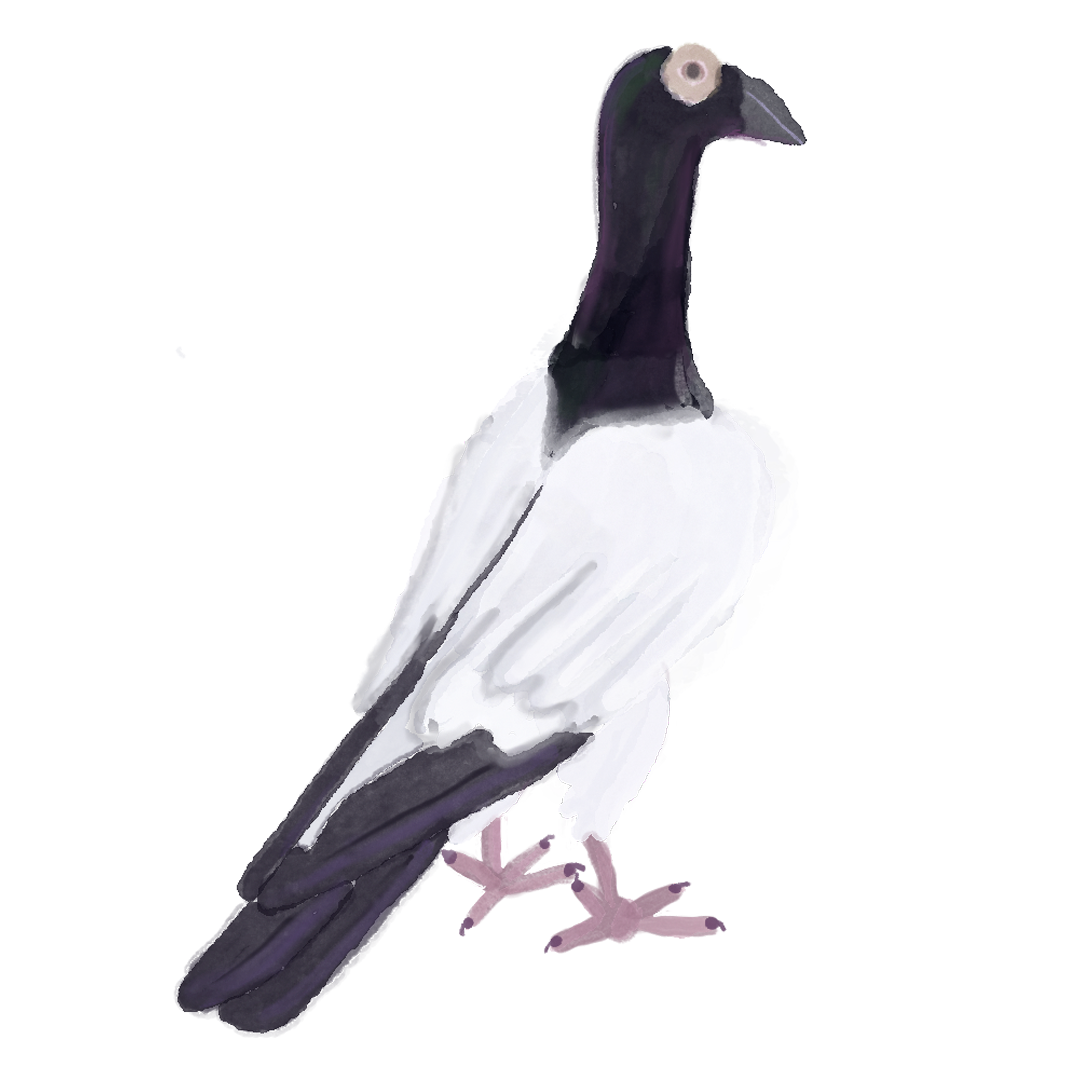
MACY PIGEON No. 002
Name: Coco
Specialty: Urgent correspondence
Flight style: Fast, unpredictable
Note: Coco is faster than Harry, but has been known to take dramatic detours.
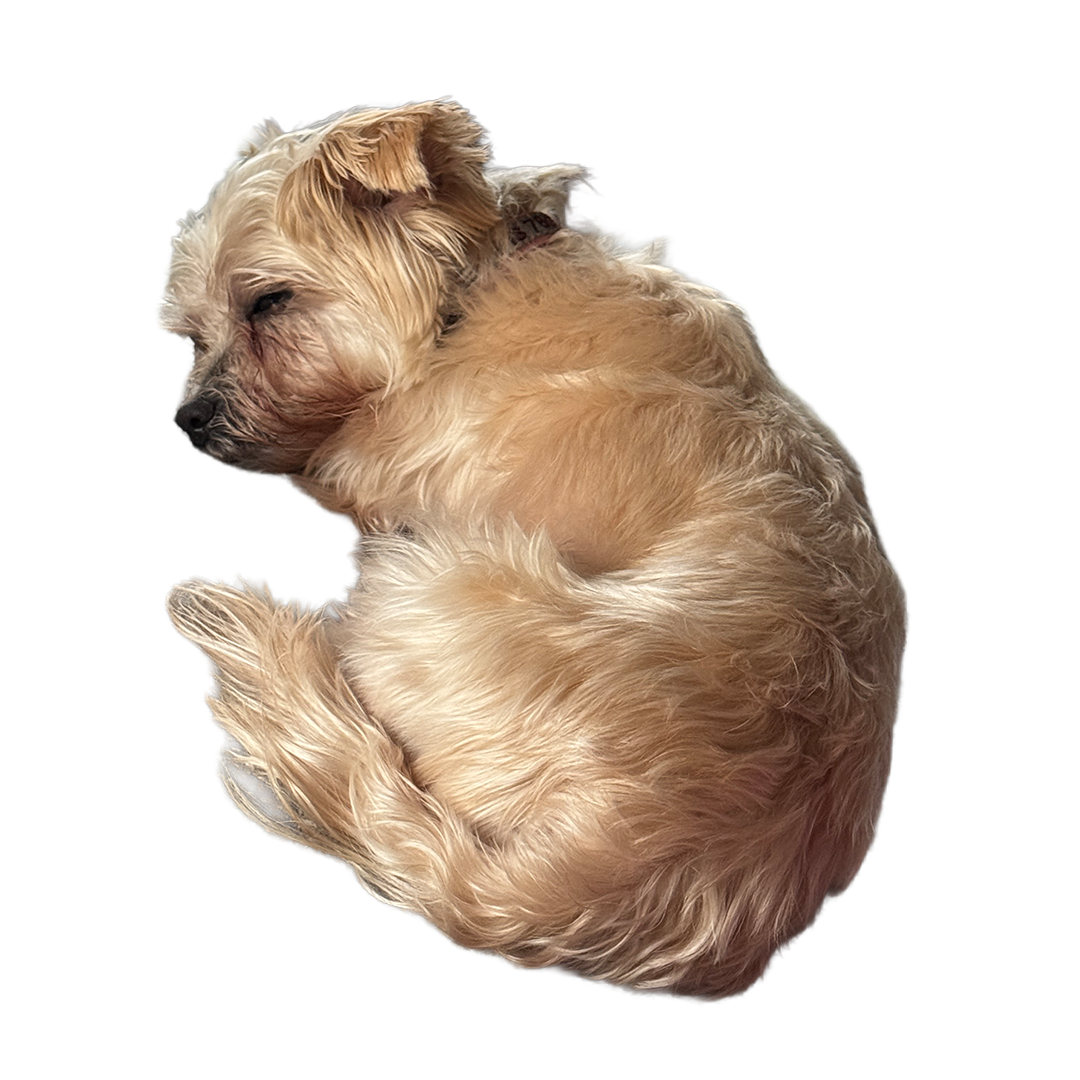
MACY PIGEON No. 003
Name: Piper
Specialty: Moral support
Flight style: Can’t fly
Note: Not a pigeon. Not trained for long-distance correspondence. This is actually just my dog.
INSTRUCTIONS
STEP 1 — You’ll need one of my specially trained homing pigeons. Please do not attempt to substitute a regular pigeon. It will have absolutely no idea what you’re talking about.
STEP 2 — Write Your Message. A pigeon can only carry a surprisingly small amount of correspondence, so keep it short. Any tiny scroll will do, and you can neatly secure it to their leg.
STEP 3 — Release the pigeon and let nature do the rest. Because the pigeon’s home is with me, it will make its way back to my apartment on the Upper East Side, and, eventually, your message will make its way into my hands.
I will most likely email my reply to you, as you can imagine, sourcing your carrier pigeon in a timely manner is less than ideal.